Program Overview
The University of Maryland, College Park Dietetic Internship is an ACEND-accredited, post-baccalaureate certificate program. It prepares graduates for entry-level practice and for the credentialing exam to become a Registered Dietitian Nutritionist (RDN). Interns receive comprehensive training in general dietetics, with a concentration in Information Management, Communication, and Nutrition Informatics.
Hands-On Learning Across the Baltimore–Washington Region
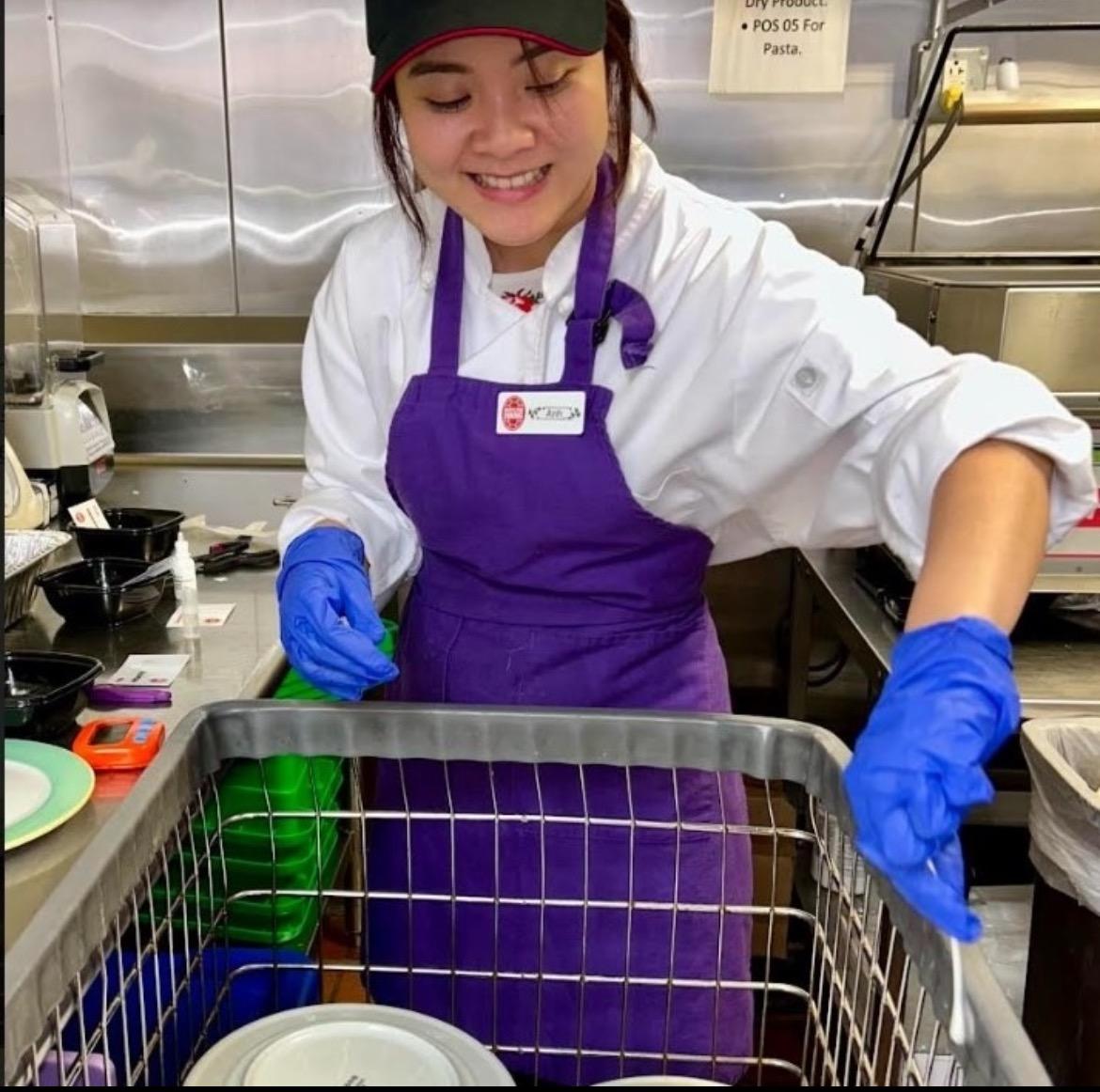
Interns complete supervised practice rotations at a variety of facilities throughout the Baltimore–Washington corridor. Across these rotations, they apply information technology and nutrition informatics to real-world practice. Along the way, they build the critical thinking, problem-solving, communication, and teamwork skills that RDNs rely on, and they connect with professionals who can serve as mentors throughout their careers.
Eligibility
To apply, you must have:
- A valid Verification Statement from an ACEND-accredited Didactic Program in Dietetics (DPD)
- A completed graduate degree, or a documented plan to complete one by the end of the internship
If you are still completing a master's degree, your plan must show how you will finish the remaining coursework and have the degree conferred before the internship ends.
Program Schedule
Program Structure and Schedule
The internship runs for 44 weeks, from August 16, 2027, through June 16, 2028, and provides more than 1,000 hours of supervised practice in clinical nutrition, community nutrition, foodservice management, and information technology.
A Typical Week
Interns participate Monday through Friday:
- Four days of supervised practice (8 hours each). Rotations are primarily in person, with some remote or hybrid options depending on the site.
- One day of class and professional development. This day includes lectures, technology training, field trips, and joint sessions with other area internship programs, offered both in person and virtually.
Interns may also be required to attend up to three Saturday conferences or special events during the year.
Key Dates and Milestones
- Orientation (first two weeks, August): Interns receive an overview of program expectations and resources, including the Policies & Procedures Handbook and access to ELMS-Canvas, where program materials are housed. Orientation also includes training in the core competencies needed for clinical and professional practice.
- Thanksgiving break: Three days off.
- Winter break: Two weeks, during the last two weeks of December.
- Elective rotation (final week): Interns either return to a previous area of practice or explore a specialized area of interest.
Specific Rotations
Where You'll Train
Over 44 weeks, you'll rotate through clinical, community, foodservice, and policy settings across the Baltimore–Washington region. You'll build a broad foundation for practice while gaining experience few internships offer.
Clinical Nutrition (16 weeks)
Develop your clinical skills at sites across Baltimore and Washington, D.C. Your primary rotation ends with two weeks of staff relief, where you'll manage a caseload as the dietitian, so you finish ready for independent practice.
- Primary clinical rotation: 10 weeks (8 weeks of training, followed by 2 weeks of staff relief)
- Long-term care: 2 weeks
- Outpatient renal dialysis: 2 weeks
- Pediatrics or other specialty of interest: 2 weeks
Community Nutrition (6 weeks)
See how nutrition work reaches people where they live, learn, and eat. Depending on your placement, you might serve at a food bank, support a farm-to-school program, work with a community nutrition organization, or contribute to sustainability initiatives with University of Maryland Campus Dining.
Foodservice Management (8–9 weeks)
Learn how large-scale food operations run.
- Hospital or community organization serving individuals with disabilities: 4–5 weeks
- University of Maryland Dining Services and Sustainability: 4 weeks. UMD Dining serves one of the largest campus communities in the region.
Information Management and Communication (6 weeks)
A signature experience of our program. This rotation is built around our concentration in Information Management, Communication, and Nutrition Informatics, and it prepares you for the growing number of dietetics careers in health communication and technology. Past placements include:
- FullWell (remote): Join the Nutrition Communications team at this fertility wellness company. You'll create evidence-based content on nutrition, fertility, and reproductive health for blogs, newsletters, social media, and a national network of health professionals. You'll review and fact-check scientific literature, collaborate with writers and experts, and leave with published work for your portfolio.
- Private practice: Help a local practice use technology to strengthen its electronic medical record (EMR) and improve the patient experience. It's hands-on informatics work with visible results for clinicians and patients.
Make It Your Own
Close out the year with a one-week elective rotation. You can return to a favorite site to deepen your skills or explore a new specialty that interests you.
Built-In Time to Recharge
You'll have 3 days off at Thanksgiving and a two-week winter break at the end of December.
Program Benefits
Why Choose UMD?
- Faculty invested in your success. Our internship faculty are active leaders in the profession, including service with the Maryland Academy of Nutrition and Dietetics (MAND). From orientation through credentialing, you'll have mentors committed to your success.
- A regional professional network. You'll train at leading hospitals and organizations throughout the Baltimore–Washington corridor, building relationships with preceptors and mentors that can shape your career.
- Breadth across the profession. Rotations span clinical care, community nutrition, foodservice management, and nutrition informatics, so you can discover where you want to practice before you graduate.
- Community impact. Work alongside organizations addressing food access and nutrition in the region, such as Manna Food Center, the Maryland Food Bank, Food & Friends, and University of Maryland Campus Dining Sustainability.
- Learning from experts. Weekly class days bring in leading professionals to teach on topics across dietetics.
- Big Ten university resources. As a UMD intern, you'll have access to the university's extensive resources, including a rotation with University of Maryland Dining Services, where you'll see the inner workings of a large, high-volume campus foodservice operation.
Current Clinical Sites include (but not limited to)*
- Baltimore VA Medical Center
- Children's National Hospital
- MedStar Washington Hospital Center
- Meritus Medical Center
- University of Maryland Baltimore Washington Medical Center
- University of Maryland St. Joseph Medical Center
- Fresenius Medical Care
- Hebrew Home of Greater Washington
- The Village at Rockville
*Clinical sites are subject to change
Commuting and Transportation
Our supervised practice sites are spread across the Baltimore–Washington, D.C., metro area. That range gives you access to a wide variety of settings and preceptors.
A car is required. Many sites aren't reachable by public transportation, so every intern needs reliable access to a car throughout the program.
Plan for commutes of up to an hour. When assigning rotations, the program director considers each intern's commute whenever possible. Even so, most commutes can take up to an hour, and sometimes longer in heavy traffic.
Background Checks and Drug Screening
Many supervised practice sites require a criminal background check, fingerprinting, and/or a drug screen before interns can begin a rotation. If a site declines to accept an intern based on these results, the university will honor the site's decision.
Licensure requirements also vary by state, and some states restrict licensure for individuals with certain criminal records. We encourage you to review the requirements in the state where you plan to practice and to consider your own circumstances before applying.
Program Policies & Procedures
The current Program Policies & Procedures Handbook is available as a PDF file. To view this file, you must have Adobe Acrobat Reader installed on your computer.
